
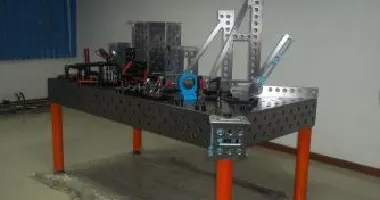
glass partition with sliding door
Replacing the Outside Water Valve A Step-by-Step Guide The outside water valve, often unnoticed until a problem arises, plays a crucial role in the overall plumbing system of your home. Whether you need to replace it due to wear and tear, leaks, or damage, understanding the process can save you time and money. Here, we provide a comprehensive guide to help you successfully navigate the task of replacing your outside water valve. Understanding the Outside Water Valve Before diving into the replacement process, it’s important to recognize the function of the outside water valve, commonly referred to as the hose bib or spigot. This valve controls the water supply to your outdoor faucets, which are used for watering gardens, washing cars, and cleaning outdoor spaces. Over time, exposure to the elements can cause these valves to deteriorate, leading to leaks, reduced water pressure, or complete failure. Tools and Materials Needed To replace your outside water valve, gather the following tools and materials - New outside water valve (ensure it matches the sizing of the old one) - Pipe wrench or adjustable wrench - Plumber’s tape - Screwdriver - Bucket (to catch any water) - Towels or rags Step-by-Step Replacement Process 1. Turn Off the Water Supply Before you begin, locate the main water shut-off valve inside your home and turn it off. This will prevent water from flowing while you work on the outside valve. 2. Drain Remaining Water Open the outdoor faucet to allow any remaining water in the pipes to drain out. This step is crucial to avoid a messy situation when disconnecting the old valve. 3. Remove the Old Valve Using a pipe wrench, grip the old outside water valve and turn it counterclockwise to loosen it. You might need to apply some force if the valve is corroded or stuck. Once loose, carefully remove it from the pipe. Be prepared for some residual water to spill out. outside water valve replacement 4. Prepare the New Valve Before installing the new valve, wrap plumber’s tape around the threads of the pipe to ensure a watertight seal. This tape helps prevent leaks after installation. 5. Install the New Valve Align the new outside water valve with the threaded pipe and turn it clockwise to tighten. Use the pipe wrench to secure it in place, but be cautious not to over-tighten as this could damage the threads. 6. Check for Leaks Once the new valve is installed, turn the main water supply back on. Open the new valve slowly and check for any leaks around the connection. If you notice any leaking, turn the water off and re-tighten the valve. 7. Test Functionality After confirming there are no leaks, test the valve by turning it on and off several times. Ensure that water flows freely and without interruptions. Maintenance Tips To prolong the life of your new outside water valve, consider the following maintenance tips - Winterize If you live in an area with freezing temperatures, make sure to winterize your outdoor faucet before the cold season arrives. This often involves shutting off the valve and draining any remaining water. - Inspect Regularly Periodically check for any signs of wear or leaks. Early detection can prevent larger plumbing issues down the line. - Keep it Clean Periodically clean the area around the valve to prevent debris from entering the system. Conclusion Replacing an outside water valve may seem daunting, but with the right tools and this step-by-step guide, it can be a manageable DIY project. Regular maintenance and prompt replacements can enhance the lifespan of your plumbing system and ensure your outdoor water needs are met effectively. If you encounter any complications or feel uncertain about the process, don’t hesitate to consult with a professional plumber for assistance.
about
glass partition with sliding door
How to Change the Main Water Valve Changing the main water valve in your home is an important task that can prevent potential water-related issues. Whether you are replacing a malfunctioning valve or simply upgrading to a more efficient model, the process can be straightforward with the right tools and guidance. Here’s a step-by-step guide on how to change the main water valve. Step 1 Gather Your Materials Before starting the replacement process, make sure you have all the necessary materials. You will need - A new main water valve (make sure it matches your existing one) - Pipe wrenches - Adjustable wrench - Teflon tape - A bucket or towel to catch any water - Safety goggles Step 2 Locate the Main Water Valve The main water valve is usually located near where the water line enters your home. It can be found in a basement, crawl space, or outside near the foundation. Identify which valve you need to replace by testing its functionality; turn it to see if it properly shuts off the water supply. Step 3 Shut Off the Water Supply Before you proceed with changing the valve, it is crucial to turn off the water supply to your home. This can usually be done by finding the main shut-off valve, which may be located close to where the water line enters your house. Once you have turned off the water, open a few faucets to relieve any remaining pressure in the pipes. Step 4 Drain the Pipes Once the water is turned off, it is advisable to drain the remaining water from the pipes. This can be done by opening fixtures in your home and letting them run until the water stops flowing. Using a bucket or a towel can help catch any residual water that may spill out during the valve change. how to change main water valve Step 5 Remove the Old Valve Using a pipe wrench, carefully loosen the nuts connecting the old valve to the pipes. Keep in mind that there may still be some residual water, so be prepared for a little spillage. Once you have loosened the connections, remove the old valve from the water line. Step 6 Install the New Valve Take your new valve and wrap Teflon tape around the threaded ends to ensure a watertight seal. Attach the new valve to the pipes, tightening the connections carefully with the pipe wrench. Avoid over-tightening, as this may damage the threads. Step 7 Test for Leaks With your new valve installed, it’s time to turn the water supply back on. Slowly open the main shut-off valve and check for leaks around the new valve. If you see any dripping, tighten the connections slightly until they stop leaking. Step 8 Clean Up After confirming that everything is working properly and there are no leaks, clean up your workspace. Dispose of the old valve and any towels or buckets used to catch spillage. Conclusion Changing the main water valve may seem daunting, but with careful preparation and attention to detail, it’s a task that many homeowners can tackle themselves. Always remember to prioritize safety and take your time to ensure everything is done correctly. If at any point you feel uncertain, don’t hesitate to consult a professional plumber. By following these steps, you can secure a reliable water supply for your home and avoid future plumbing issues.
-

High quality industrial productsagement

High quality industrial products
View Details -

Meet the diverse needs of customers

Meet the diverse needs of customers
View Details -

Strict quality control

Strict quality control
View Details -

Top raw materials

Top raw materials
View Details -

Trusted supplier

Trusted supplier
View Details
Our application

news and information

Ventil motýl s 36% průtokem pro efektivní regulaci kapaliny
Motýlové ventily a jejich význam Motýlové ventily jsou jedním z nejefektivnějších a nejběžněji použí
What is a Gate Valve Used For_
A gate valve is a crucial component in many industrial systems, designed to control the flow of liqu
Válvula de puerta de 450mm
Válvula de compuerta de 450 mm Una Solución Eficiente para el Control de Fluido Las válvulas de comp
 English